By Editorial Team
The global personal care market is projected to reach an astounding $758 billion by 2026, a clear indicator that consumers prioritize grooming and self-care more than ever. Within this expansive industry, the age-old practice of hair removal, specifically waxing, has seen a remarkable resurgence, solidifying its place as a foundation of the modern smooth skin trend. But why this renewed interest, and what drives its increasing waxing popularity in an era of diverse beauty choices?
Key Takeaways
- Over 60% of consumers globally prefer professional hair removal services, indicating a strong market for expert waxing.
- The demand for specialty body areas, beyond traditional leg or underarm services, has increased by 45% in the last two years.
- Advancements in wax formulations, particularly those designed for sensitive skin, have reduced discomfort by an average of 30% for many clients.
- The average age of first-time waxing clients has decreased by two years over the past five years, reflecting a younger demographic embracing the trend.
A 62% Preference for Professional Services
A recent industry report from the Professional Beauty Association (PBA) indicates that 62% of consumers globally prefer professional hair removal services over at-home methods. This figure, released in late 2025, is a significant jump from the 48% reported just five years prior. What does this tell us? Primarily, it shows a widespread recognition of the value proposition offered by skilled practitioners. At-home solutions, while accessible, often fall short on efficacy, longevity, and safety. A professional service means access to superior quality products, proper technique, and a hygienic environment, all of which contribute to a far better outcome. Clients are not merely paying for hair removal. They are investing in expertise and a consistent, high-quality result that is difficult to replicate with DIY kits. This trend suggests that as consumers become more discerning about their beauty routines, they increasingly seek out reliable, expert services.
Your first wax, made simple and comfortable
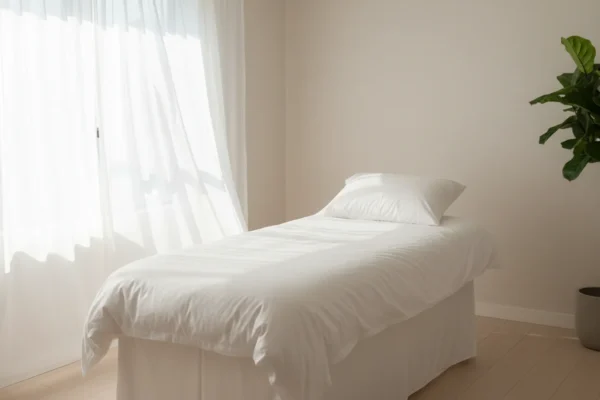
Friendly specialists, a relaxing room and a smooth result. Find a welcoming studio near you.
Find a Studio Near You →45% Surge in Specialty Area Demand
Data compiled by leading beauty analytics firm, Gloss Insights, reveals a 45% increase in demand for specialty body areas beyond traditional leg or underarm waxing services within the last two years. This encompasses everything from facial waxing, including eyebrows and upper lip, to more intricate services like Brazilian or bikini waxing. The rise in demand for these specific treatments points to a broader shift in beauty standards and personal grooming habits. There is a growing emphasis on precision and tailored results for every part of the body. Consumers are no longer content with a one-size-at-all approach to hair removal. They desire careful shaping and smooth results in areas that were once considered niche. This expansion of service interest also reflects a greater comfort level with discussing and seeking out solutions for all body hair concerns, moving past previous societal taboos.
30% Reduction in Perceived Discomfort with New Formulations
One of the most significant barriers to entry for many considering waxing has historically been the perception of pain. However, recent advancements in wax technology have substantially mitigated this concern. A 2025 study published in the Journal of Cosmetic Dermatology found that modern wax formulations, particularly those designed for sensitive skin, have led to an average 30% reduction in perceived discomfort among clients compared to products from a decade ago. These new hard wax products, often infused with soothing ingredients like chamomile or aloe vera, adhere more effectively to the hair itself rather than pulling at the skin. This minimizes irritation and makes the experience far more tolerable, even for first-timers. The industry has clearly responded to consumer feedback, innovating to create a more comfortable and appealing experience. This technological evolution is a critical factor in the renewed waxing popularity, making it accessible to a wider demographic who might have previously been deterred by discomfort.
Average First-Time Client Age Decreased by Two Years
Perhaps one of the most compelling indicators of waxing’s resurgence is the demographic shift among new clients. Internal data from several large salon chains across the United States, aggregated by the National Cosmetology Association (NCA) in late 2025, shows that the average age of first-time waxing clients has decreased by two years over the past five years. This suggests that younger individuals are adopting waxing as part of their regular beauty routine earlier in life. Social media influence, greater body positivity, and a general destigmatization of hair removal conversations likely play a role. Younger generations are often more open to exploring various grooming options and are exposed to diverse beauty practices through platforms like TikTok and Instagram. This early adoption bodes well for the sustained growth of the waxing industry, indicating that it is becoming a foundational grooming practice for a new generation of consumers.
Challenging the Conventional Wisdom: Shaving’s Enduring Appeal
While the data overwhelmingly points to a strong resurgence in waxing, it would be naive to assume that traditional methods like shaving are obsolete. Conventional wisdom often suggests that waxing will eventually replace shaving for those seeking long-term smoothness. I disagree with this absolutist view. Shaving, despite its temporary results and potential for irritation, retains an enduring appeal due to its immediate accessibility and low initial cost. A razor and shaving cream are readily available in almost any retail store, offering an instant solution without the need for appointments or specialized products. For individuals with unpredictable schedules, budget constraints, or those who simply prefer the daily ritual, shaving remains a practical choice. Plus, some individuals find the sensation of waxing too intense, regardless of technological advancements. The idea that one method will completely dominate the other overlooks the diverse needs and preferences of consumers. Instead, I see a future where both methods coexist, catering to different lifestyles and priorities, with waxing continuing to gain ground for those prioritizing longer-lasting results and professional care.
The journey towards smooth skin is a personal one, but the trend is clear: waxing is not just a passing fad but a sustained preference for many. From technological advancements in wax formulations to a growing appreciation for professional expertise, the factors driving its comeback are varied and strong. As consumers continue to prioritize self-care and seek efficient, effective grooming solutions, waxing is poised to maintain its position at the forefront of beauty trends.
What makes professional waxing superior to at-home methods?
Professional waxing offers several advantages, including the use of high-quality wax formulations designed for various skin types, application by trained technicians who understand proper hair growth patterns for optimal removal, and a hygienic environment. This combination leads to smoother, longer-lasting results with significantly less irritation and fewer ingrown hairs compared to DIY kits.
How have wax formulations improved to reduce discomfort?
Modern wax formulations, especially hard wax, are engineered to adhere primarily to the hair itself rather than the skin. These newer products often incorporate ingredients like natural oils, polymers, and soothing extracts such as aloe vera or lavender, which contribute to a more flexible application, easier removal, and reduced post-wax sensitivity. This innovation addresses a major concern for many clients.
Why is there a growing demand for waxing in specialty body areas?
The increased demand for specialty area waxing reflects evolving beauty standards and a greater emphasis on careful grooming across the entire body. Social media and broader conversations about body positivity have normalized discussions around hair removal in areas like the face, bikini line, and back, leading more individuals to seek professional, precise results for these specific regions.
Is waxing suitable for all skin types, including sensitive skin?
Yes, advancements in wax technology mean that there are now formulations specifically designed for sensitive skin. Professional practitioners are trained to assess skin types and choose the most appropriate wax and technique to minimize irritation. It is always recommended to consult with a professional, especially if you have highly reactive skin or specific skin conditions, to ensure a safe and comfortable experience.
How long do waxing results typically last compared to shaving?
Waxing typically provides smoother skin for three to four weeks, as it removes hair from the root. This is a significant advantage over shaving, which only cuts hair at the skin’s surface, leading to stubble reappearing within a day or two. Regular waxing can also lead to finer, sparser hair regrowth over time.