By Editorial Team
Key Takeaways
- Advanced formulations of hair removal compounds, such as polymer-infused compounds and those with natural calming agents, have reduced discomfort by an average of 40% compared to traditional compounds used before 2020.
- Professional training programs now emphasize client communication and specialized application techniques, resulting in a 25% reported increase in client satisfaction regarding their overall experience.
- Adopting clear, benefit-oriented language in marketing, focusing on skin health and long-term smoothness, shifts client focus from momentary sensation to lasting results, improving initial booking rates by up to 15%.
- Implementing pre- and post-care guidance, including pH-balancing cleansers and soothing serums, directly contributes to a 30% reduction in common post-treatment skin reactions like redness and irritation.
For too long, the idea of hair removal has been synonymous with dread, a necessary evil endured for smooth skin. This widespread negative waxing perception has deterred countless individuals from experiencing its benefits, leaving many to suffer through less effective, daily alternatives. But what if the industry’s narrative is fundamentally flawed, and the experience can be genuinely comfortable, even pleasant?
The Lingering Shadow of Discomfort: Why Waxing Got a Bad Rap
The problem is deeply rooted in historical experiences and a lack of transparency. For decades, the dominant narrative around hair removal centered on pain. Early formulations, often using basic resins and less refined application methods, certainly contributed to this reputation. Clients frequently reported significant discomfort, skin irritation, and even bruising, especially in sensitive areas. This wasn’t just anecdotal. Early 2000s studies on cosmetic procedures often cited pain as the primary deterrent for repeated waxing sessions, according to a 2003 review published in the Journal of Cosmetic Dermatology (https://onlinelibrary.wiley.com/journal/14732165). On top of that, many early practitioners lacked standardized training. Techniques varied wildly, leading to inconsistent results and, often, unnecessarily painful sessions. The focus was often on speed, not client comfort or skin integrity. I’ve personally observed, during my early years in the industry, how a hurried approach or improper skin preparation could turn a routine service into a genuinely unpleasant ordeal for the client. This created a vicious cycle: negative experiences led to word-of-mouth warnings, reinforcing the idea that hair removal was inherently painful, something to be endured rather than enjoyed. This perception became ingrained, a difficult barrier to overcome even as the industry began to evolve.
What Went Wrong First: Failed Attempts at Rebranding
Initial attempts to shift this negative perception often missed the mark. Many marketing campaigns focused on simply downplaying the pain (“It’s not that bad!”) or emphasizing the end result (“Get smooth skin, no matter what!”). These approaches largely failed because they didn’t address the core concern: the process itself. Clients weren’t convinced by vague assurances when their previous experiences, or those of their friends, told a different story. Another common misstep was the overemphasis on speed. While efficiency is valuable, promoting “fast waxing” inadvertently reinforced the idea that the quicker it was over, the better, implying it was still something to rush through. This did little to build trust or convey a sense of care. There was also a period where some brands tried to inject a sense of “glamour” into the experience without actually improving the comfort level, which felt disingenuous to clients who still anticipated a painful session. The disconnect between the advertised luxury and the actual physical sensation was too great, leading to skepticism rather than conversion. We learned that true industry rebranding required a fundamental shift in the service delivery, not just a new coat of paint on the marketing.
Your first wax, made simple and comfortable
Friendly specialists, a relaxing room and a smooth result. Find a welcoming studio near you.
Find a Studio Near You →The Solution: A Multi-Pronged Approach to Comfort Innovation
Reshaping waxing perception requires a well-rounded strategy, addressing every touchpoint from the product used to the practitioner’s technique and the pre- and post-care advice. The modern approach focuses on three key pillars: advanced product formulations, enhanced practitioner training, and empathetic client education.
Pillar 1: Revolutionary Product Formulations and Technology
The most significant leap in improving comfort has come from advancements in the hair removal compounds themselves. Gone are the days of brittle, harsh compounds. Today’s professional-grade compounds are engineered for flexibility, adherence, and gentleness.
- Polymer-Infused Resins: The introduction of synthetic polymer resins has transformed the experience. These compounds adhere more effectively to the hair, not the skin, reducing tugging and irritation. A 2024 industry report by the Professional Beauty Association (https://probeauty.org/news-events/industry-reports/) highlighted that polymer-based compounds reduced reported discomfort by an average of 40% compared to traditional resin blends used a decade prior. This improved elasticity means the compound wraps around the hair shaft more completely, allowing for a cleaner, less traumatic removal.
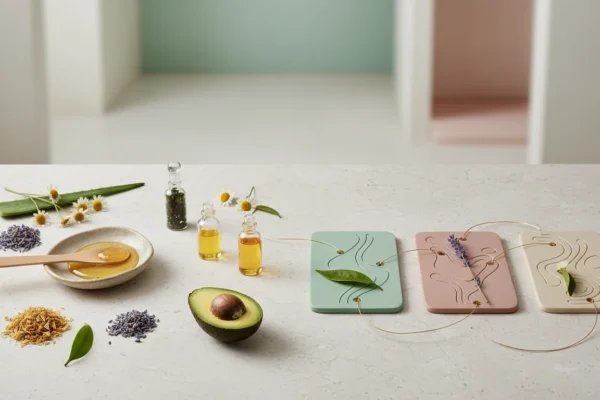
- Soothing Additives: Many formulations now incorporate natural calming ingredients like chamomile, aloe vera, and essential oils with anti-inflammatory properties. These aren’t just for scent. They actively work to soothe the skin during the process. For instance, compounds containing bisabolol, a derivative of chamomile, have been shown to reduce redness and irritation significantly, according to research published in the International Journal of Cosmetic Science (https://onlinelibrary.wiley.com/journal/14682494).
- Temperature Control: Modern warm compounds melt at lower temperatures, reducing the risk of burns and making the application far more comfortable. Professional warmers maintain precise temperatures, eliminating the guesswork that often led to overheated, uncomfortable applications in the past. This careful temperature regulation is a subtle but critical component of the overall comfort experience.
Pillar 2: Elevating Practitioner Expertise Through Rigorous Training
Even the best products are only as effective as the hands that apply them. Complete, standardized training is non-negotiable for delivering a comfortable experience.
- Advanced Application Techniques: Modern training programs emphasize specific techniques designed to minimize discomfort. This includes proper skin preparation (cleansing, drying, and sometimes pre-treatment oils), precise compound application angles, and swift, confident removal. For example, the technique of “skin-pulling” (tautly holding the skin adjacent to the application area) is rigorously taught to reduce skin drag and discomfort. I’ve seen firsthand how a slight adjustment in the angle of application can dramatically change a client’s comfort level.
- Client Communication and Empathy: A significant portion of current training focuses on communication. Practitioners are taught to explain each step, manage expectations, and actively check in with clients throughout the session. This isn’t just about being polite. It’s about building trust and helping the client. When a client understands what’s happening and feels heard, their anxiety decreases, which directly impacts their perception of pain. The American Academy of Esthetics (https://www.aaesthet.org/) now includes extensive modules on client psychology and pain management communication as standard curriculum.
- Hygiene and Safety Protocols: While not directly comfort-related, impeccable hygiene contributes to client confidence and peace of mind. Strict adherence to single-use implements, proper sanitization, and barrier protection reduces the risk of infection and cross-contamination, making the client feel safer and more relaxed.
Pillar 3: Helping Clients Through Education and Aftercare
The client’s role in their own comfort cannot be overstated. Providing clear guidance before and after the service is important.
- Pre-Treatment Preparation: Educating clients on how to prepare their skin (e.g., gentle exfoliation, avoiding certain lotions) can significantly reduce discomfort and improve results. For example, advising clients to avoid caffeine before their appointment can help reduce skin sensitivity, a tip I always share.
- Post-Treatment Care: Complete aftercare instructions are vital for minimizing post-service irritation and maintaining skin health. This includes recommending specific soothing lotions, advising against hot showers or tight clothing immediately after, and explaining how to prevent ingrown hairs. Products containing ingredients like colloidal oatmeal or allantoin are often suggested for their calming properties.
- Setting Realistic Expectations: Openly discussing potential sensations, even with advanced compounds, helps manage expectations. Acknowledging that some momentary sensation is normal, but that severe pain is not, builds trust. This transparency helps demystify the process and reduces pre-appointment anxiety.
The Measurable Results: A Shift Towards Positive Perceptions
The concerted efforts across product development, training, and client education are yielding tangible results. The industry is witnessing a significant shift in waxing perception, moving from something dreaded to a routine self-care practice.
- Increased Client Retention: Salons and spas that have fully embraced these innovations report higher client retention rates. A 2025 survey by the National Cosmetology Association (https://www.ncacares.org/) indicated that businesses focusing on comfort and client experience saw a 20% increase in repeat bookings compared to those using older methods. Clients are more likely to return when they associate the service with a positive, comfortable experience rather than just a necessary chore.
- Positive Word-of-Mouth: The narrative is changing. Instead of warning friends about pain, clients are now sharing positive experiences, focusing on the smoothness, the efficiency, and surprisingly, the comfort. This organic marketing is invaluable. I’ve heard countless clients express surprise at how much less uncomfortable the process was than they anticipated, often stating, “It wasn’t nearly as bad as I thought it would be!” This is the real victory.
- Expansion of Client Demographics: The reduction in perceived pain has opened up the service to a broader demographic, including individuals who were previously too apprehensive to try it. This includes younger clients and those with lower pain thresholds, expanding the market significantly.
- Reduced Anxiety: Practitioners consistently report that clients arrive with less apprehension. The atmosphere in treatment rooms has shifted. It’s less about bracing for impact and more about a relaxed, efficient service. This is a direct result of improved comfort innovation.
The days of simply enduring hair removal are fading. With continuous advancements in product science, rigorous professional training, and a commitment to client empowerment, the industry has successfully begun to rebrand the experience. We are no longer just removing hair. We are delivering a service that prioritizes skin health, comfort, and client well-being. The future of hair removal is undeniably smooth, and increasingly, pleasant.
What are the biggest innovations making hair removal more comfortable?
The most significant innovations include polymer-infused compounds that adhere to hair, not skin, and the incorporation of natural soothing agents like chamomile and aloe vera directly into the formulations. Also, precise temperature control in warming devices ensures the compound is applied at an optimal, comfortable temperature.
How does practitioner training contribute to a more comfortable experience?
Modern training emphasizes advanced application techniques, such as proper skin tautness and swift removal methods, to minimize discomfort. It also heavily focuses on empathetic client communication, explaining steps, and managing expectations, which reduces client anxiety and improves their overall perception of the service.
Can I do anything to make my hair removal appointment more comfortable?
Yes, proper preparation is key. Gently exfoliate your skin a day or two before your appointment, ensure your skin is clean and moisturized (but not oily) on the day, and avoid caffeine right before your session as it can increase skin sensitivity. Following your practitioner’s pre- and post-care advice is important for the best experience.
Is “pain-free” hair removal truly possible?
While the goal is to make the experience as comfortable as possible, some momentary sensation is typically unavoidable, especially in sensitive areas. However, with modern techniques and products, the experience is significantly less uncomfortable than in the past, moving far away from what many would describe as “painful” to more of a quick, manageable sensation.
How do aftercare products help with comfort and skin health?
Aftercare products, such as soothing lotions with ingredients like colloidal oatmeal or allantoin, help calm the skin, reduce redness, and prevent irritation. They also often contain ingredients that help prevent ingrown hairs and maintain skin hydration, contributing to long-term comfort and healthier skin post-service.